Qala AI is the Governance Control Plane for Software Engineering. It continuously reconciles policy intent with engineering and runtime reality, giving risk leaders visibility into how sensitive data is classified, moved, and governed across code, systems, integrations, third parties, and AI workflows.
Where policy meets engineering reality
Where policy meets engineering reality
Where policy meets engineering reality
Qala AI continuously reconciles policy intent with engineering reality, enabling risk leaders to identify hidden drift before it becomes exploitable risk
Qala AI continuously reconciles policy intent with engineering reality, enabling risk leaders to identify hidden drift before it becomes exploitable risk
Explore the control plane
A unified layer for seeing how data moves, understanding which policies apply, and detecting where governance drift is emerging across code, systems, data flows, and runtime behaviour.
Discover and map sensitive data flows across services, APIs, and integrations so teams can verify real handling patterns as systems change.
Discover and map sensitive data flows across services, APIs, and integrations so teams can verify real handling patterns as systems change.
Discover and map sensitive data flows across services, APIs, and integrations so teams can verify real handling patterns as systems change.
Continuously monitor sensitive data and link it to the policies and frameworks that govern it, creating real time, reliable governance foundations.
Continuously monitor sensitive data and link it to the policies and frameworks that govern it, creating real time, reliable governance foundations.
Continuously monitor sensitive data and link it to the policies and frameworks that govern it, creating real time, reliable governance foundations.
Reconcile policy intent with code, system configurations, and runtime behavior to ensure controls are continuously evidenced and operating as intended.
Reconcile policy intent with code, system configurations, and runtime behavior to ensure controls are continuously evidenced and operating as intended.
See engineering and data reality
Qala AI gives teams a living view of engineering systems, sensitive data movement, and dependencies, so governance starts from reality, not assumptions. Understand what data exists, how it connects, and where risk is emerging as code changes.
Data flow mapping
Map how sensitive data moves across code, services, APIs, integrations, vendors, and AI-connected systems.
Data lineage
Trace where sensitive data originates, how it is transformed, and where it flows across your software landscape.
System topology
Understand how systems, services, platforms, and environments connect, so governance reflects real architecture.
Data inventory
Maintain a live inventory of sensitive data, where it resides, how it is classified, and which systems handle it.
Data discovery use cases
Turn fragmented engineering knowledge into a continuously updated operational view of your data and system reality.
Map sensitive data risk across your software estate
Replace static inventories and workshop-led discovery with a live view of where sensitive data exists, how it moves, and which systems depend on it. Give security, privacy, and governance teams a reliable foundation for decisions based on real implementation, not assumptions.
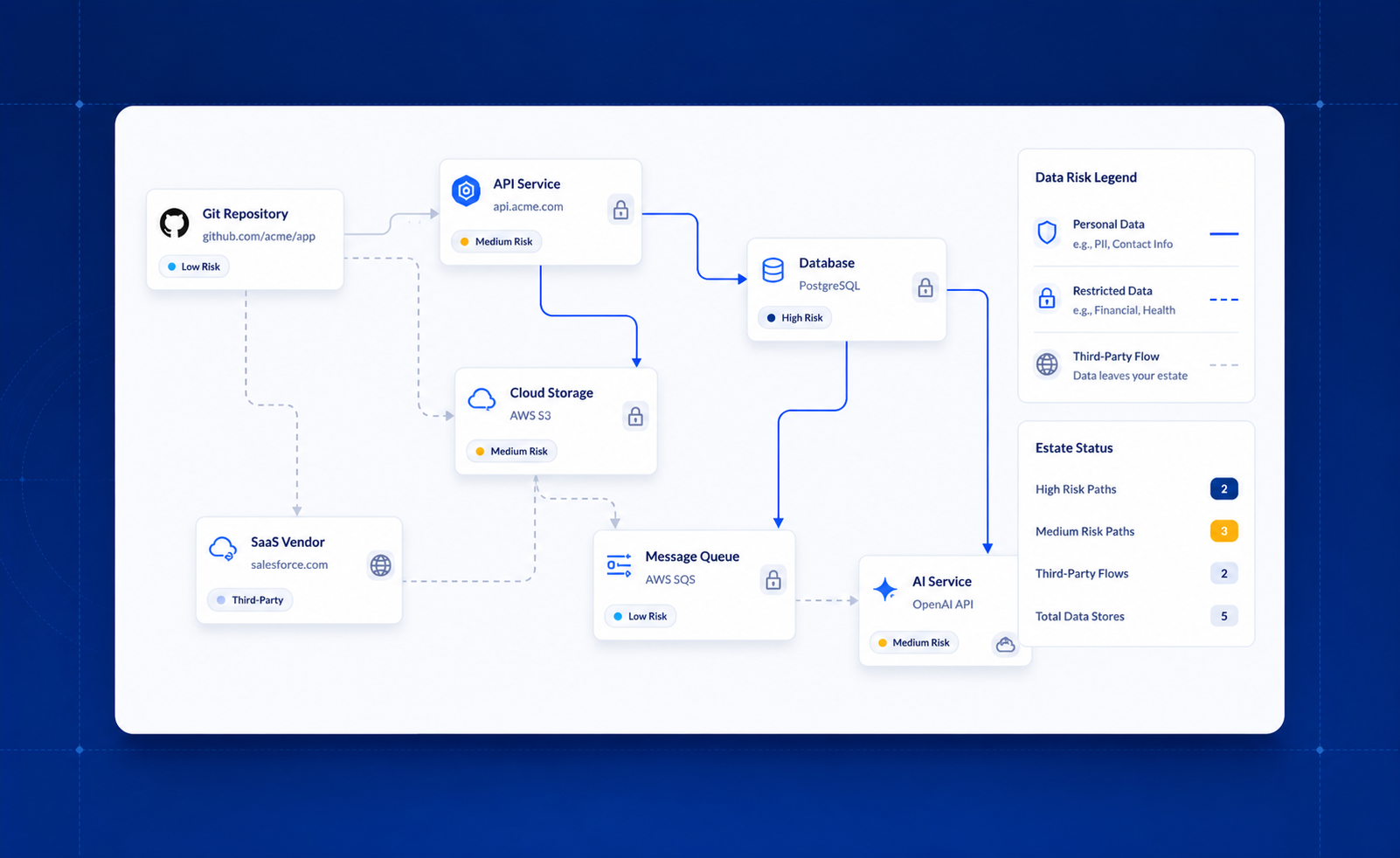
Expose hidden third-party and AI data flows
Complete privacy and security assessments faster
Assess data impact before change goes live
See engineering and data reality
See engineering and data reality
See engineering and data reality
Qala AI gives teams a living view of engineering systems, sensitive data movement, and dependencies, so governance starts from reality, not assumptions.
Understand what data exists, how it connects, and where risk is emerging as code changes.
Qala AI gives teams a living view of engineering systems, sensitive data movement, and dependencies, so governance starts from reality, not assumptions.
Understand what data exists, how it connects, and where risk is emerging as code changes.
Qala AI gives teams a living view of engineering systems, sensitive data movement, and dependencies, so governance starts from reality, not assumptions. Understand what data exists, how it connects, and where risk is emerging as code changes.
Data flow mapping
Map how sensitive data moves across code, services, APIs, integrations, vendors, and AI-connected systems.
Data flow mapping
Map how sensitive data moves across code, services, APIs, integrations, vendors, and AI-connected systems.
Data lineage
Trace where sensitive data originates, how it is transformed, and where it flows across your software landscape.
System topology
Understand how systems, services, platforms, and environments connect, so governance reflects real architecture.
Data inventory
Maintain a live inventory of sensitive data, where it resides, how it is classified, and which systems handle it.
Data discovery use cases
Turn fragmented engineering knowledge into a continuously updated operational view of your data and system reality.
Map sensitive data risk across your software estate
Replace static inventories and workshop-led discovery with a live view of where sensitive data exists, how it moves, and which systems depend on it. Give security, privacy, and governance teams a reliable foundation for decisions based on real implementation, not assumptions.
Expose hidden third-party and AI data flows
Complete privacy and security assessments faster
Assess data impact before change goes live
Data discovery use cases
Turn fragmented engineering knowledge into a continuously updated operational view of your data and system reality.
Map sensitive data risk across your software estate
Replace static inventories and workshop-led discovery with a live view of where sensitive data exists, how it moves, and which systems depend on it. Give security, privacy, and governance teams a reliable foundation for decisions based on real implementation, not assumptions.
Expose hidden third-party and AI data flows
Complete privacy and security assessments faster
Assess data impact before change goes live
Data discovery use cases
Turn fragmented engineering knowledge into a continuously updated operational view of your data and system reality.
Map sensitive data risk across your software estate
Replace static inventories and workshop-led discovery with a live view of where sensitive data exists, how it moves, and which systems depend on it. Give security, privacy, and governance teams a reliable foundation for decisions based on real implementation, not assumptions.
Expose hidden third-party and AI data flows
Complete privacy and security assessments faster
Assess data impact before change goes live
Monitor against policy
Qala translates internal policies, risk requirements, and external frameworks into continuous governance context, so sensitive data can be classified, tagged, and monitored against the rules that actually matter to you.
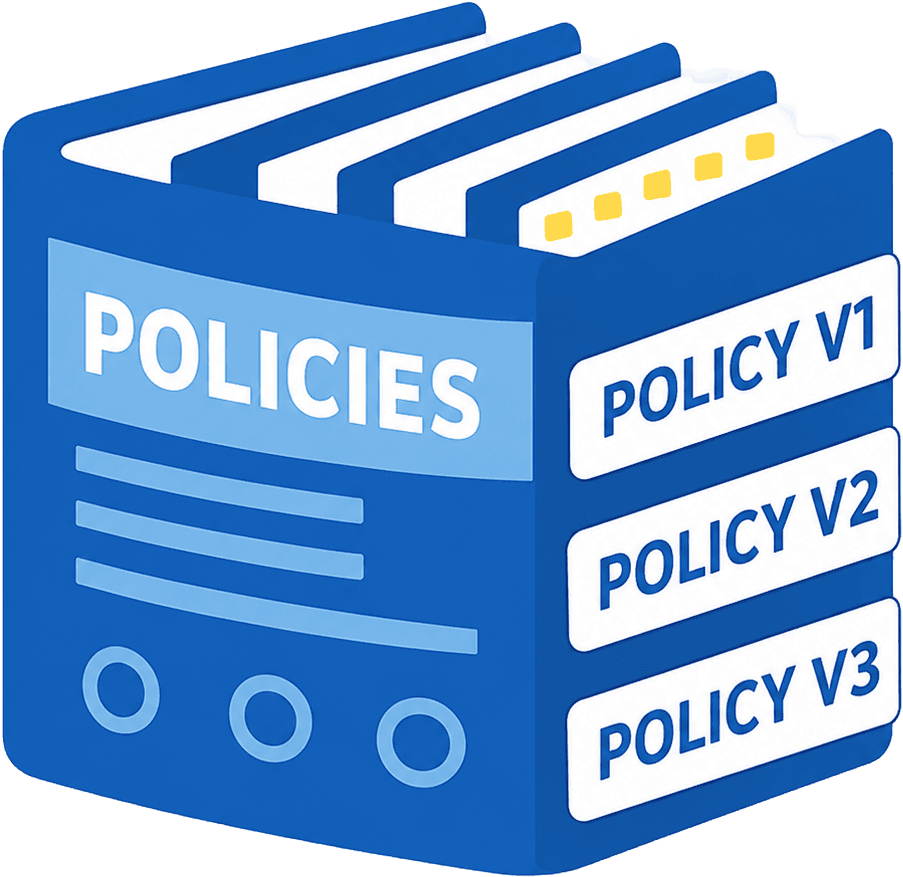
Policy management
Securely upload internal policies and risk documents so Qala can interpret governance intent and apply personalised context.
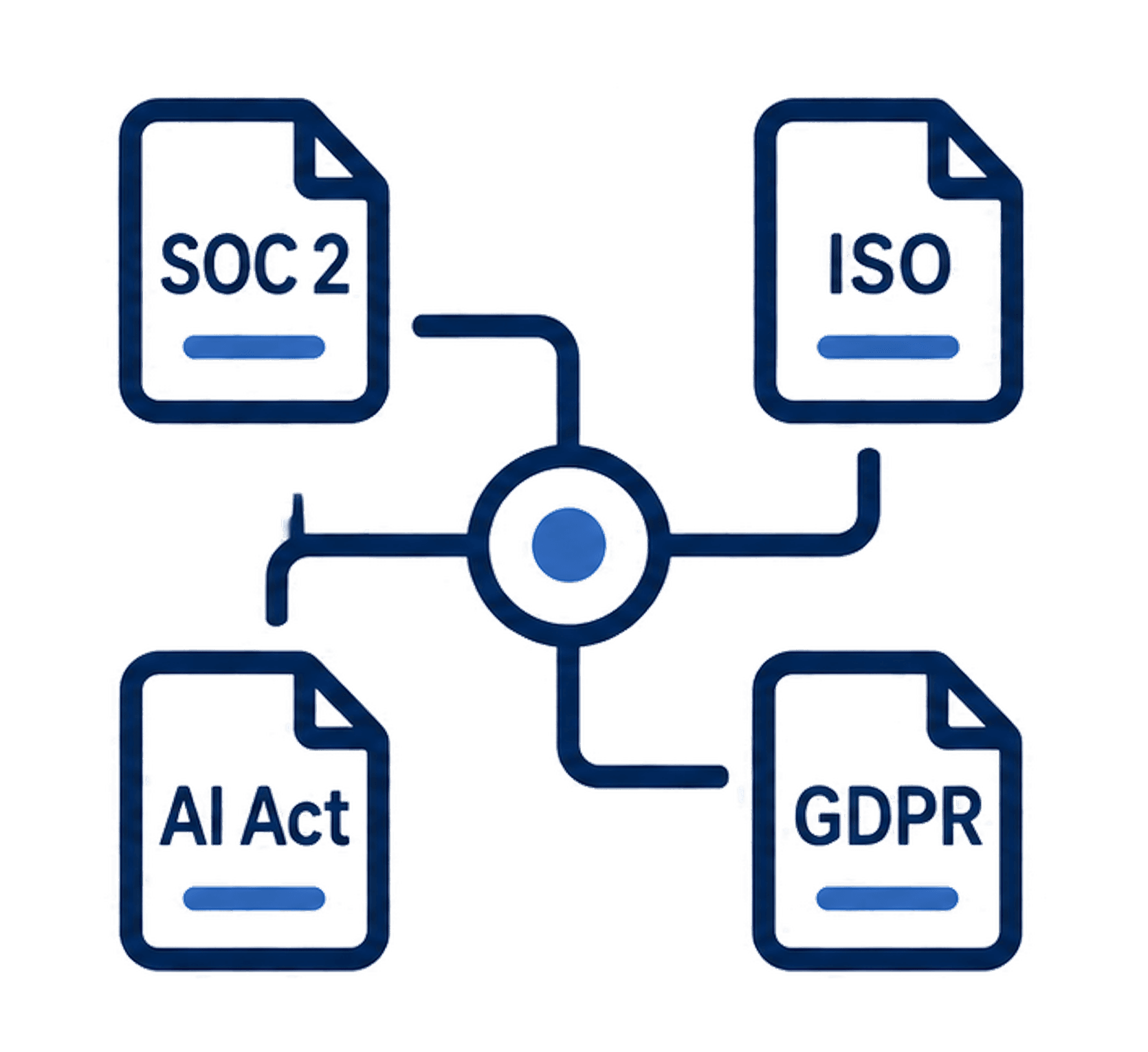
Framework mapping
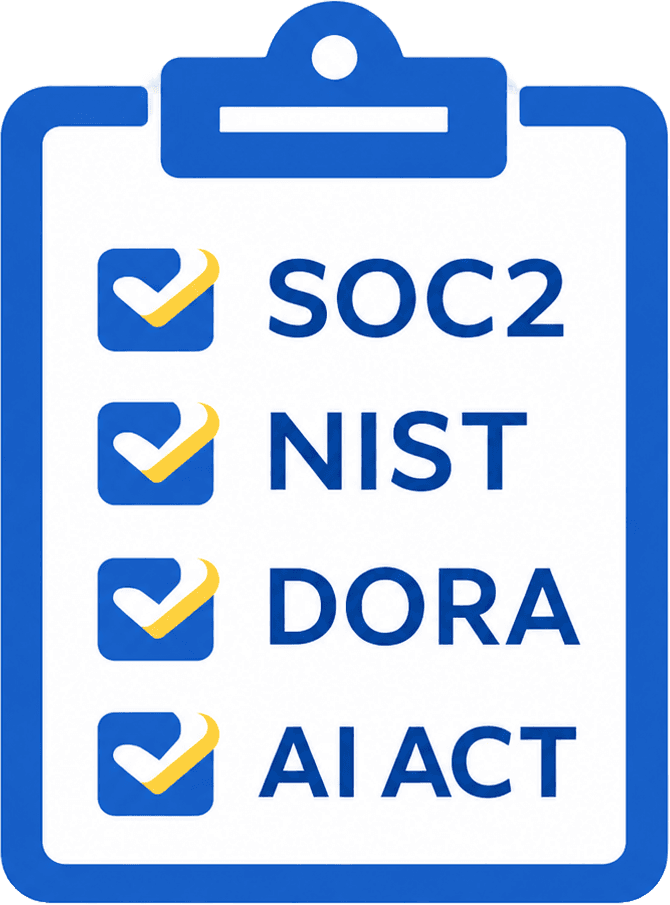
Enable applicable frameworks, Qala will link internal control requirements to external frameworks such as SOC 2, ISO, GDPR, the AI Act and more.
Data classification
Automatically classify sensitive data where it is defined and handled, using code, schema, usage, system and policy context.
Ongoing Monitoring
Maintain policy-relevant context as data moves across systems, services, and workflows, without relying on static manual inventories.
Control drift use cases
Turn static governance policies into live engineering intelligence that protects sensitive data and controls AI risk.
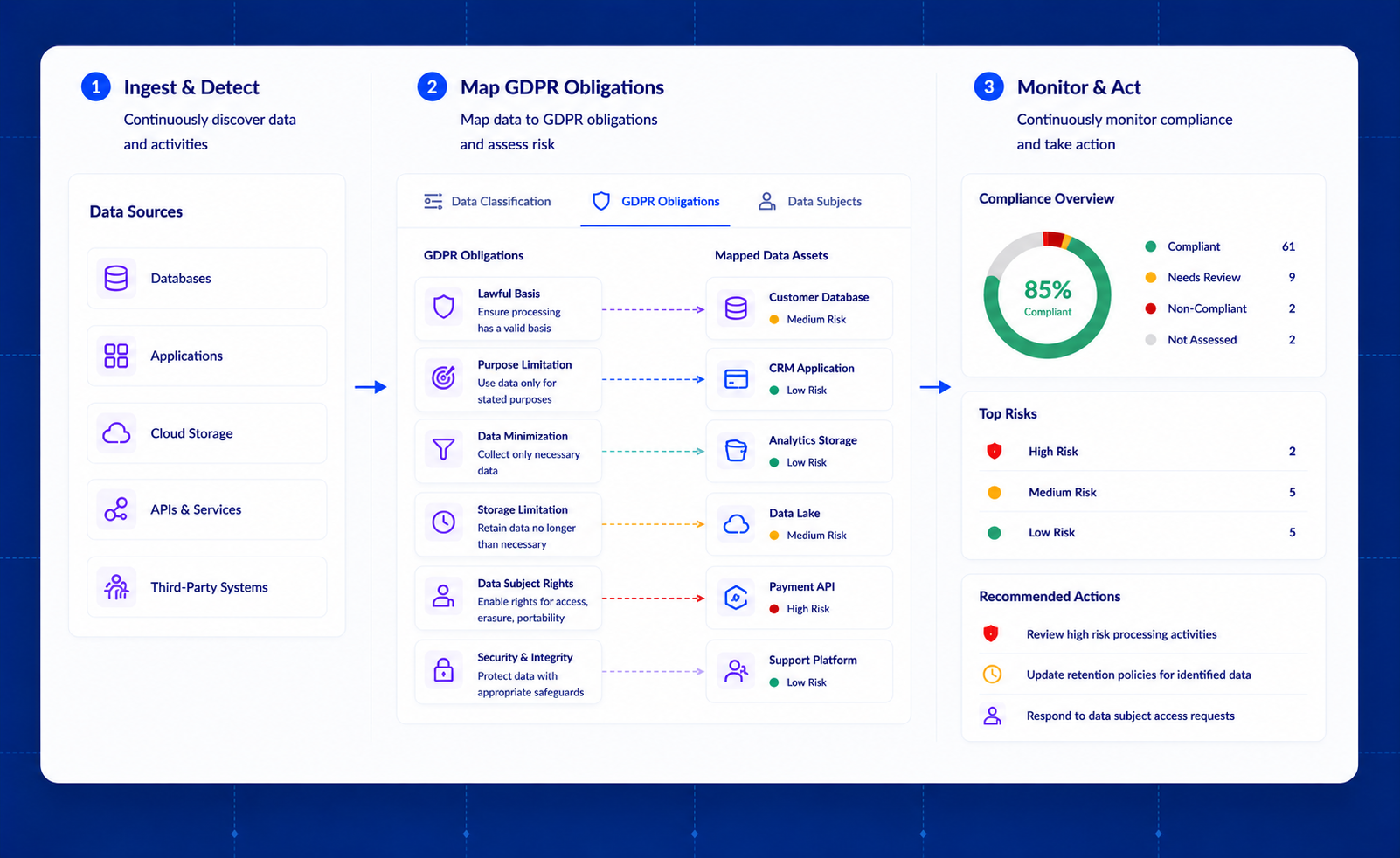
Turn GDPR obligations into live data oversight
Connect GDPR requirements to the systems, services, and data flows that process personal data. See where personal, special category, or restricted data is handled, and whether that handling stays within approved privacy and policy boundaries.
Govern AI data use against approved policy
Keep internal policies connected to real data handling
Map frameworks to real data handling
Control drift use cases
Turn static governance policies into live engineering intelligence that protects sensitive data and controls AI risk.
Turn GDPR obligations into live data oversight
Connect GDPR requirements to the systems, services, and data flows that process personal data. See where personal, special category, or restricted data is handled, and whether that handling stays within approved privacy and policy boundaries.
Govern AI data use against approved policy
Keep internal policies connected to real data handling
Map frameworks to real data handling
Control drift use cases
Turn static governance policies into live engineering intelligence that protects sensitive data and controls AI risk.
Turn GDPR obligations into live data oversight
Connect GDPR requirements to the systems, services, and data flows that process personal data. See where personal, special category, or restricted data is handled, and whether that handling stays within approved privacy and policy boundaries.
Govern AI data use against approved policy
Keep internal policies connected to real data handling
Map frameworks to real data handling
Detection use cases
Turn control gaps, policy drift, and system changes into early governance signals before they become business risk.
Detect policy drift before it becomes risk
Identify where policies, controls, and engineering implementation no longer align as code, systems, dependencies, and data flows change. Surface governance drift early, before it becomes an audit issue, regulatory concern, customer finding, or security exposure.
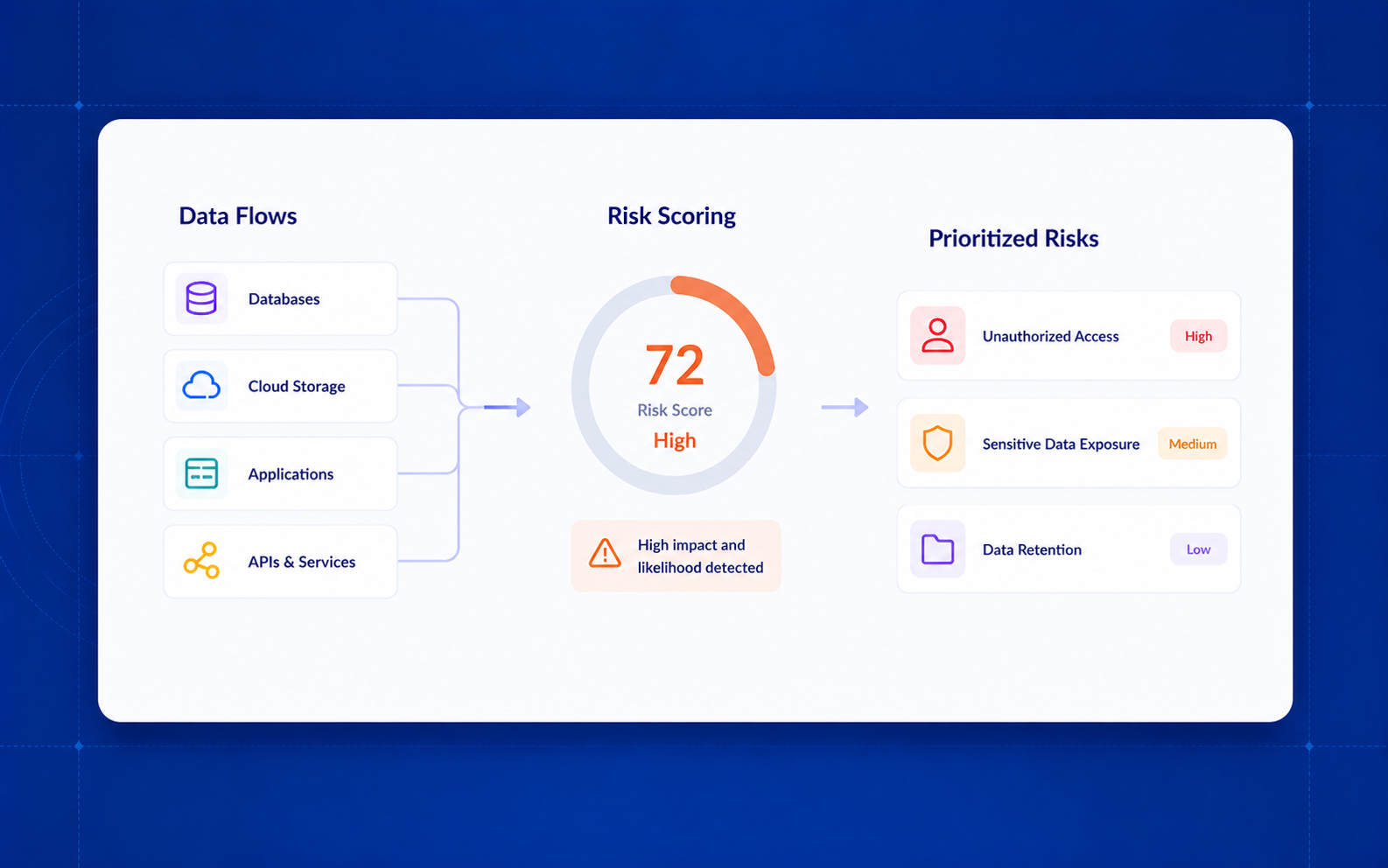
Generate audit-ready evidence as systems change
Prioritise control gaps with real system context
Turn governance findings into remediation action
Detect and prevent drift
With data reality and policy context connected, Qala continuously reconciles policy intent with code, configuration, and runtime behaviour to surface control gaps, generate evidence, and help teams act before governance failures become audit, security, or regulatory risk.
Drift detection
Identify where policy, controls, and implementation no longer align as systems, code, and dependencies change.
Evidence generation
Generate continuous, framework-mapped evidence that reduces manual review, audit scramble, and customer diligence effort.
Gap analysis
Surface material governance gaps across data handling, control coverage, policy adherence, third-party access, and AI data use.
Alerts & Remediation
Alerts and Remediation
Trigger alerts, raise tickets, and support remediation workflows when drift or control issues are detected.
Detection use cases
Turn control gaps, policy drift, and system changes into early governance signals before they become business risk.
Detect policy drift before it becomes risk
Identify where policies, controls, and engineering implementation no longer align as code, systems, dependencies, and data flows change. Surface governance drift early, before it becomes an audit issue, regulatory concern, customer finding, or security exposure.
Generate audit-ready evidence as systems change
Prioritise control gaps with real system context
Turn governance findings into remediation action
Qala is the governance infrastructure for the AI era
Unify policy, code, infrastructure, and third-party systems into one continuously updated source of truth.


Shift compliance left. Govern at the speed of code.
Want to see it in action?
Shift compliance left. Govern at the speed of code.
Want to see it in action?
Shift compliance left. Govern at the speed of code.
Want to see it in action?
Frequently Asked Questions
Qala maps evidence and governance signals to comprehensive frameworks such as SOC 2, ISO 27001, GDPR, the AI Act and more. The primary goal extends far beyond simply accelerating audit timelines; rather, it is to establish stronger, more resilient continuous governance practices with framework-ready outputs that organizations can immediately leverage and integrate into their existing compliance infrastructure.
AI risk rarely starts with the model alone. It starts with what data AI systems can access. Qala helps organizations see what AI systems can access, trace where that data comes from, apply the right policy context, and surface hidden drift before it becomes material risk.
Yes. Qala can be deployed to meet enterprise environment requirements, including bespoke deployment models where needed. We support controlled deployment approaches, work with your security and architecture teams during review, and provide white-glove onboarding to align with your environment, regional requirements, and operational needs. Contact us to discuss the right deployment approach for your organization.
Qala AI connects directly to your code repositories, CI/CD pipelines, and data systems through secure API endpoints and connectors. Qala requires no code changes to your existing infrastructure. You can start easily by simply connecting your code repositories and expand as your governance needs evolve. Contact us to find out more.
Teams can begin with a focused, initial use case and gain visibility into their processes quickly, then systematically expand into broader coverage across multiple systems, established policies, and comprehensive framework requirements as their organizational maturity grows and evolves.
Audit automation and GRC tools help teams manage the documentation layer and centralize evidence for audits and certifications. Qala goes a layer deeper, helping companies improve their risk posture in real time. Qala acts as a control plane for data risk and policy drift, continuously verifying policy alignment and data handling across code, pipelines, APIs, vendors, and AI systems. By automatically discovering data flows and control gaps, Qala supplies much of the source-level evidence GRC tools still depend on, while significantly reducing the time and manual effort spent on questionnaires, engineering interviews, screenshot collection, and evidence chasing.
Frequently Asked Questions
Qala AI is the Governance Control Plane for Software Engineering. It continuously reconciles policy intent with engineering and runtime reality, giving risk leaders visibility into how sensitive data is classified, moved, and governed across code, systems, integrations, third parties, and AI workflows.
Qala maps evidence and governance signals to comprehensive frameworks such as SOC 2, ISO 27001, GDPR, the AI Act and more. The primary goal extends far beyond simply accelerating audit timelines; rather, it is to establish stronger, more resilient continuous governance practices with framework-ready outputs that organizations can immediately leverage and integrate into their existing compliance infrastructure.
AI risk rarely starts with the model alone. It starts with what data AI systems can access. Qala helps organizations see what AI systems can access, trace where that data comes from, apply the right policy context, and surface hidden drift before it becomes material risk.
Yes. Qala can be deployed to meet enterprise environment requirements, including bespoke deployment models where needed. We support controlled deployment approaches, work with your security and architecture teams during review, and provide white-glove onboarding to align with your environment, regional requirements, and operational needs. Contact us to discuss the right deployment approach for your organization.
Qala AI connects directly to your code repositories, CI/CD pipelines, and data systems through secure API endpoints and connectors. Qala requires no code changes to your existing infrastructure. You can start easily by simply connecting your code repositories and expand as your governance needs evolve. Contact us to find out more.
Teams can begin with a focused, initial use case and gain visibility into their processes quickly, then systematically expand into broader coverage across multiple systems, established policies, and comprehensive framework requirements as their organizational maturity grows and evolves.
Audit automation and GRC tools help teams manage the documentation layer and centralize evidence for audits and certifications. Qala goes a layer deeper, helping companies improve their risk posture in real time. Qala acts as a control plane for data risk and policy drift, continuously verifying policy alignment and data handling across code, pipelines, APIs, vendors, and AI systems. By automatically discovering data flows and control gaps, Qala supplies much of the source-level evidence GRC tools still depend on, while significantly reducing the time and manual effort spent on questionnaires, engineering interviews, screenshot collection, and evidence chasing.
Monitor against policy
Qala translates internal policies, risk requirements, and external frameworks into continuous governance context, so sensitive data can be classified, tagged, and monitored against the rules that actually matter to you.
Policy management
Securely upload internal policies and risk documents so Qala can interpret governance intent and apply personalised context.
Framework mapping
Enable applicable frameworks, Qala will link internal control requirements to external frameworks such as SOC 2, ISO, GDPR, the AI Act and more.
Data classification
Automatically classify sensitive data where it is defined and handled, using code, schema, usage, system and policy context.
Ongoing Monitoring
Maintain policy-relevant context as data moves across systems, services, and workflows, without relying on static manual inventories.
Detect and prevent drift
With data reality and policy context connected, Qala continuously reconciles policy intent with code, configuration, and runtime behaviour to surface control gaps, generate evidence, and help teams act before governance failures become audit, security, or regulatory risk.
Drift detection
Identify where policy, controls, and implementation no longer align as systems, code, and dependencies change.
Evidence generation
Generate continuous, framework-mapped evidence that reduces manual review, audit scramble, and customer diligence effort.
Gap analysis
Surface material governance gaps across data handling, control coverage, policy adherence, third-party access, and AI data use.
Alerting & remediation
Trigger alerts, raise tickets, and support remediation workflows when drift or control issues are detected.
Monitor against policy
Qala translates internal policies, risk requirements, and external frameworks into continuous governance context, so sensitive data can be classified, tagged, and monitored against the rules that actually matter to you.
Policy management
Securely upload internal policies and risk documents so Qala can interpret governance intent and apply personalised context.
Framework mapping
Enable applicable frameworks, Qala will link internal control requirements to external frameworks such as SOC 2, ISO, GDPR, the AI Act and more.
Data classification
Automatically classify sensitive data where it is defined and handled, using code, schema, usage, system and policy context.
Ongoing Monitoring
Maintain policy-relevant context as data moves across systems, services, and workflows, without relying on static manual inventories.
Control drift use cases
Turn static governance policies into live engineering intelligence that protects sensitive data and controls AI risk.
Turn GDPR obligations into live data oversight
Connect GDPR requirements to the systems, services, and data flows that process personal data. See where personal, special category, or restricted data is handled, and whether that handling stays within approved privacy and policy boundaries.
Govern AI data use against approved policy
Keep internal policies connected to real data handling
Map frameworks to real data handling
Detect and prevent drift
With data reality and policy context connected, Qala continuously reconciles policy intent with code, configuration, and runtime behaviour to surface control gaps, generate evidence, and help teams act before governance failures become audit, security, or regulatory risk.
Drift detection
Identify where policy, controls, and implementation no longer align as systems, code, and dependencies change.
Evidence generation
Generate continuous, framework-mapped evidence that reduces manual review, audit scramble, and customer diligence effort.
Gap analysis
Surface material governance gaps across data handling, control coverage, policy adherence, third-party access, and AI data use.
Alerting & remediation
Trigger alerts, raise tickets, and support remediation workflows when drift or control issues are detected.
Detection use cases
Turn control gaps, policy drift, and system changes into early governance signals before they become business risk.
Detect policy drift before it becomes risk
Identify where policies, controls, and engineering implementation no longer align as code, systems, dependencies, and data flows change. Surface governance drift early, before it becomes an audit issue, regulatory concern, customer finding, or security exposure.
Generate audit-ready evidence as systems change
Prioritise control gaps with real system context
Turn governance findings into remediation action